Technologies
O3®
Regional Oximetry
O3 monitors the regional hemoglobin oxygen saturation of blood (rSO2) in both cerebral and somatic regions for all patient populations. By offering additional insight into changes in tissue oxygen levels, O3 may help clinicians monitor regional oxygenation when pulse oximetry alone may not be fully indicative of oxygen status in a particular region.
The Importance of Cerebral Oximetry
The brain is a vital organ, making it essential to maintain optimal cerebral blood flow in the OR and ICU. When peripheral pulse oximetry alone may not fully reflect brain oxygen levels, O3 offers clinicians deeper insight into oxygen status, which may help improve patient outcomes.
Comprehensive Display
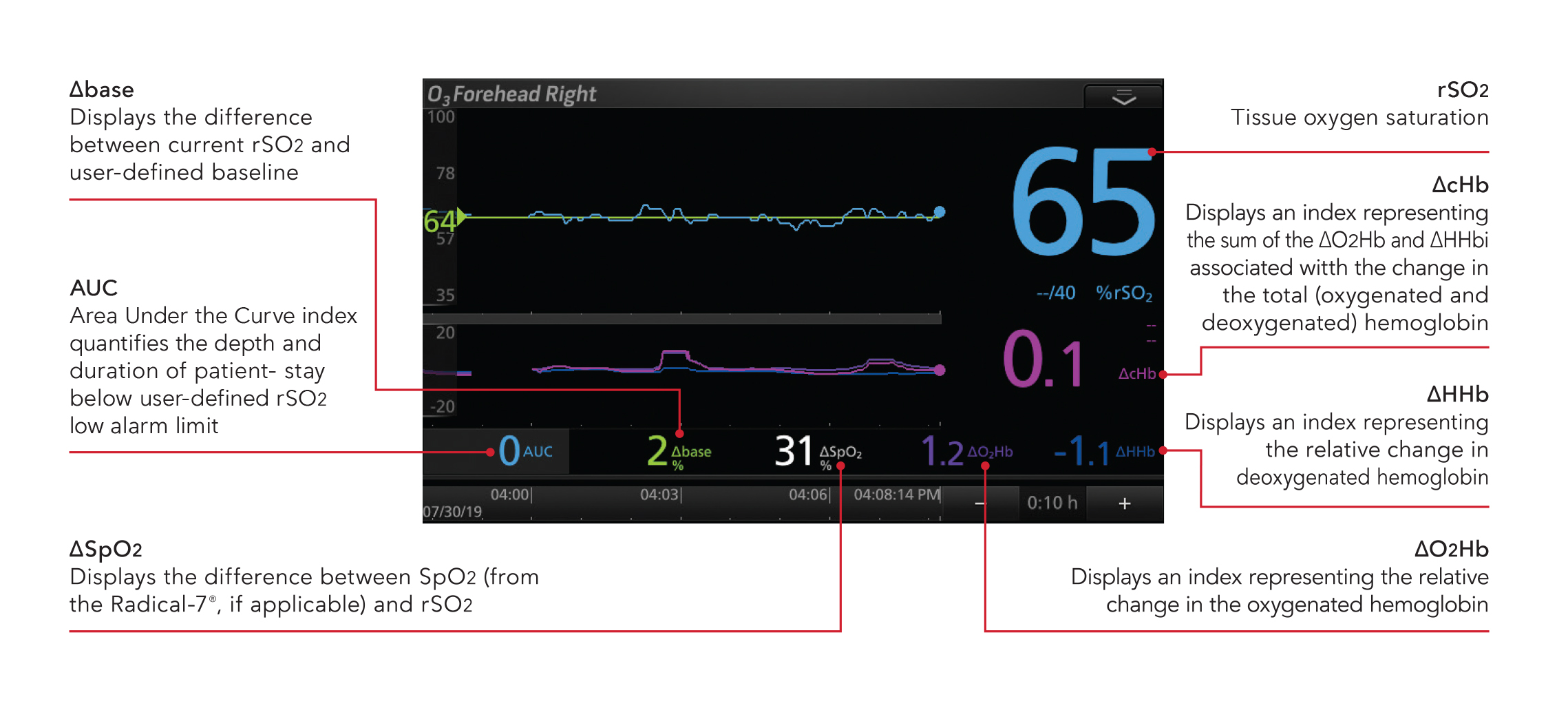
O3 connects to the Root patient monitoring platform, displaying the following parameters to provide key insights into a patient’s regional oxygenation status.
Available for All Patient Populations
With their flexible design, O3 sensors easily conform to and allow for ergonomic application on foreheads of all sizes.
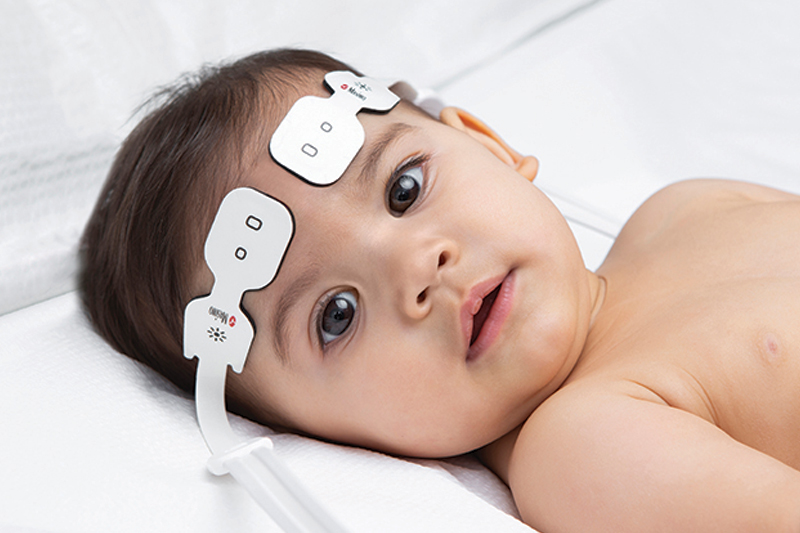
Infant/Neonatal
3% ARMS* trending accuracy specification
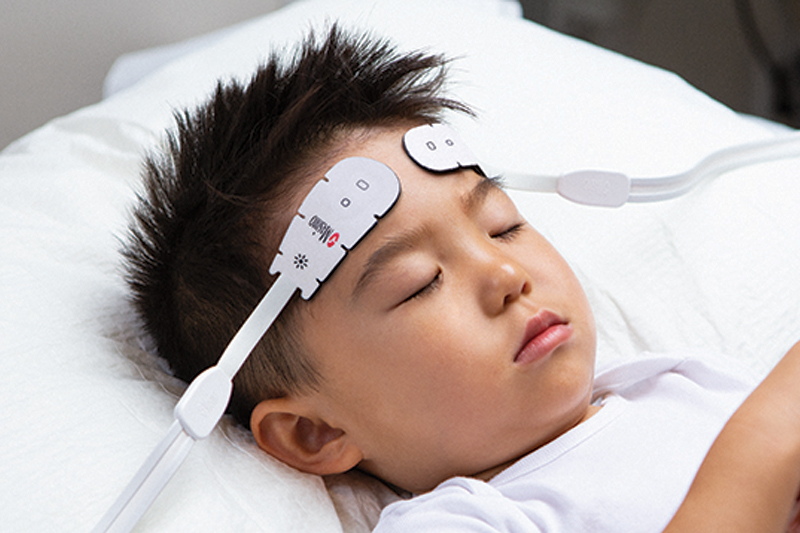
Pediatric
5% ARMS absolute accuracy and 3% ARMS trending accuracy specifications
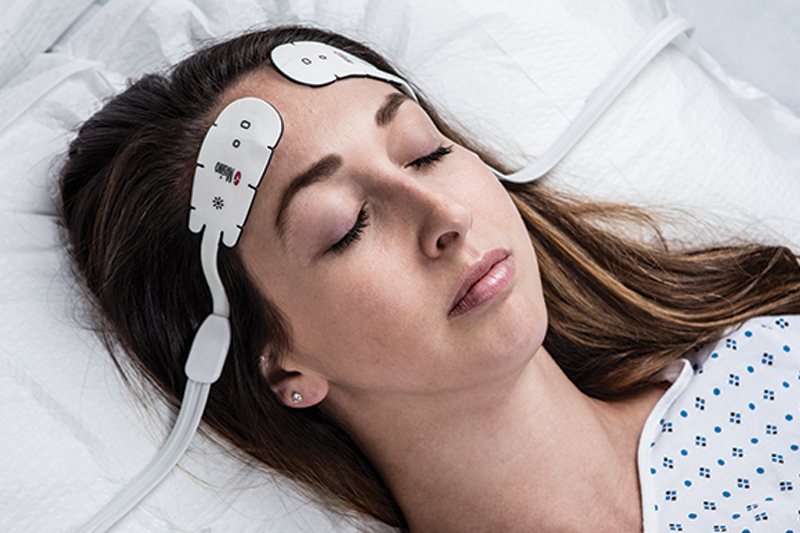
Adult
4% ARMS absolute accuracy and 3% ARMS trending accuracy specifications
Watch the video to learn more.

A Total Monitoring Solution via a Multimodal Platform
Expand Visibility in the OR and ICU
Use Root with O3 alone or in combination with other modalities to see a more complete picture of the brain or other tissue of interest, and make more informed assessments to help improve patient outcomes.
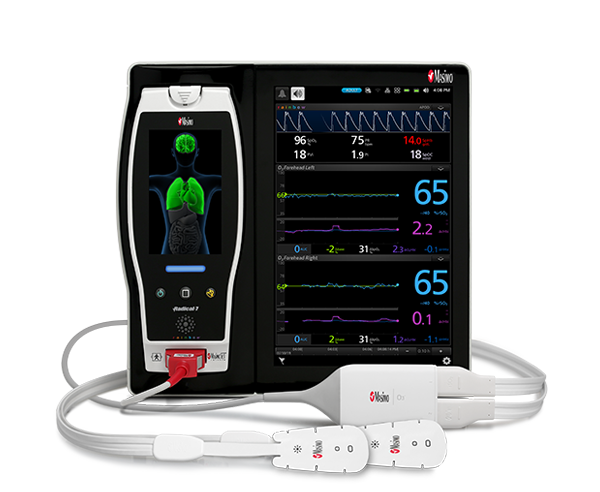
Harness the Power of Root
O3 connects seamlessly to the versatile Root Patient Monitoring and Connectivity Platform, which features a customizable, easy-to-interpret display with multiple views of monitoring data for expanded visibility in the OR and ICU.
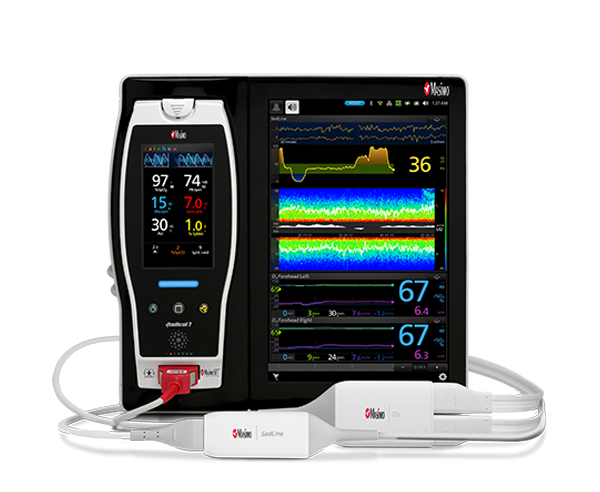
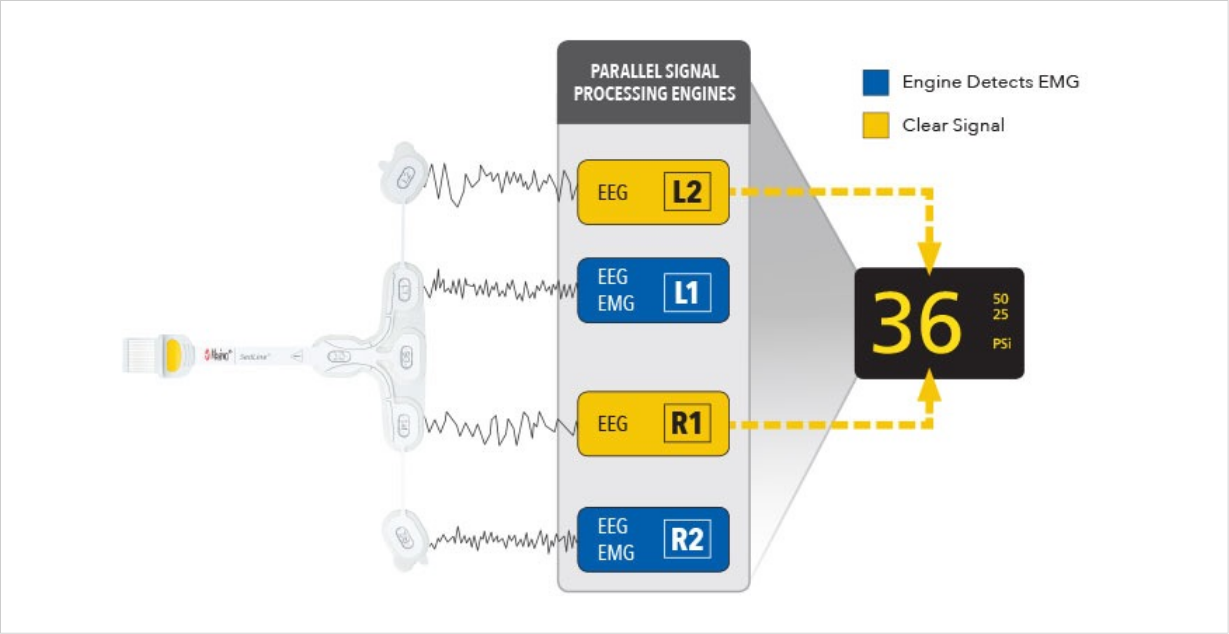
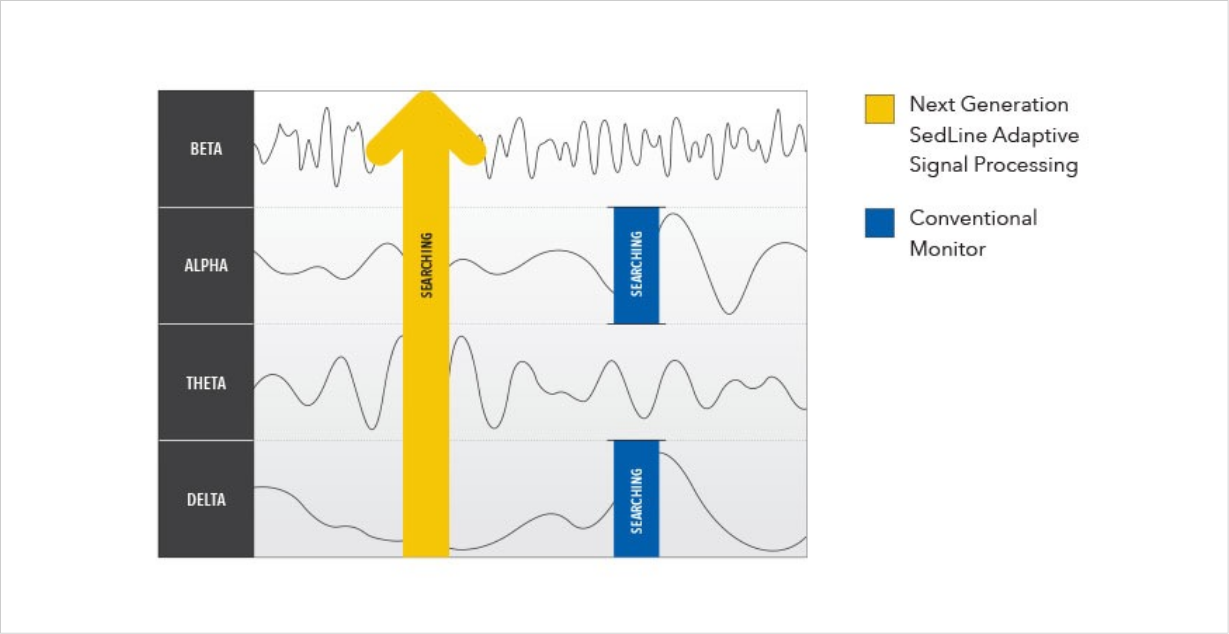
SedLine Brain Function Monitoring
O3 can be used simultaneously with SedLine, which monitors the state of the brain under anesthesia, to provide a more complete picture of the brain.

Integrated Perioperative Monitoring
Via Root, O3 and SedLine can be used in tandem with Masimo rainbow® parameters like noninvasive, continuous hemoglobin (SpHb®) giving perioperative clinicians the real-time data they need while performing critical care.
Clinical Evidence
Explore evidence highlighting the clinical utility of O3 in various clinical settings.
-
CASE SERIES
Combining Processed Electroencephalography (pEEG) Monitoring with Cerebral and Somatic Near-Infrared Spectroscopy1
“Integrating combinations of different monitoring modalities such as cerebral and somatic oximetry with pEEG can help the diagnosis and treatment of organ malperfusion and related dysfunction.”1
-
CASE SERIES
Early Detection and Correction of Cerebral Desaturation with Noninvasive Oxy-Hemoglobin, Deoxy-Hemoglobin, and Total Hemoglobin in Cardiac Surgery2
“Variations in ΔHHbi, Δo2Hbi, and ΔcHbi can be used clinically to further characterize cerebral desaturation based on changes in cerebral metabolism and oxygen blood content, arterial cerebral blood flow, and venous congestion.”2
RESOURCES
Resources Need more information? Below are key resources about O3 Regional Oximetry.
Schedule an Evaluation
See how softFlow can make a difference in your healthcare organization. Please fill out the following information and a Masimo representative will be in touch with you.
References
Couture EJ et al. J Can Anesth. 2019;66(5):532-539.
Calderone A et al. Anesth Analg. 2022 Dec;135(6):1304-1314.
For professional use. See instructions for use for full prescribing information including indications, contraindications, warnings and precautions. Caution: Federal (USA) law restricts this device to sale by or on the order of a physician.
* ARMS accuracy is a statistical calculation of the difference between device measurements and reference measurements. Approximately two-thirds of the device measurements fell within ± ARMS of the reference measurements in a controlled study.
PLCO-007916/PLM-10085E-1125